
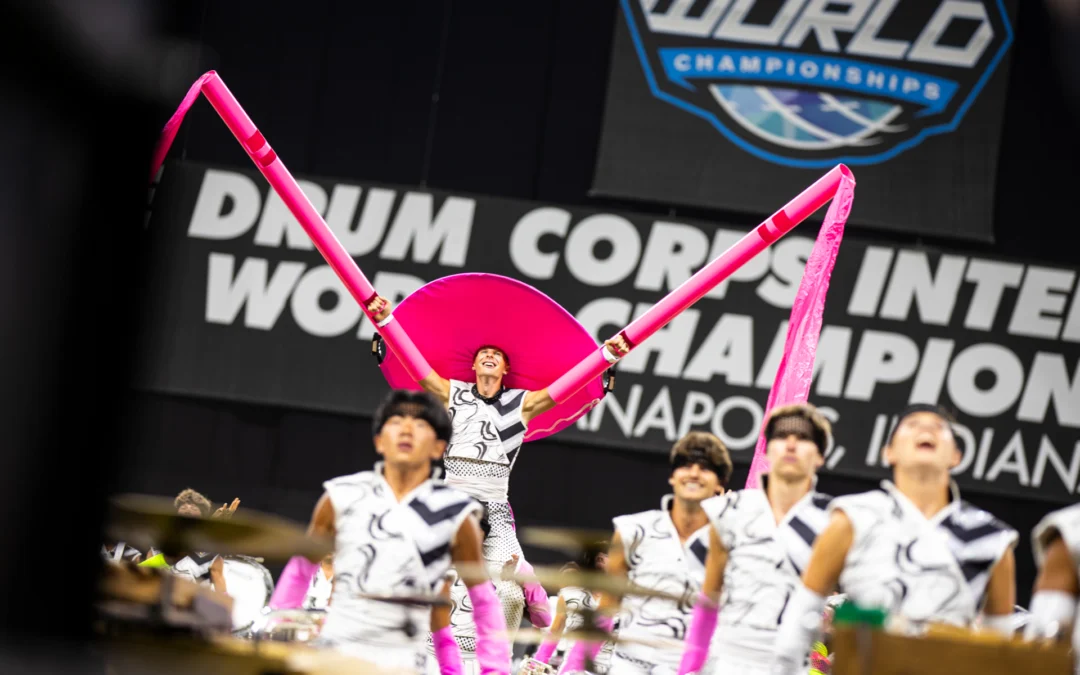
Is marching band a sport or an art? The answer most directors already feel in their bones is: yes. The best marching band shows demand the discipline of athletics and the nuance of performing arts—strength, stamina, precision, expression, storytelling, and teamwork, all moving in tempo.
Below, I break down the history, physical demands, choreography, competition dynamics, and the case for broader recognition—without losing sight of what makes this activity so creatively alive.
A Quick Primer: Why This Debate Matters
How we classify marching band shapes funding, staffing, facilities, rehearsal time, and community support. Call it “just art,” and you risk underestimating the training and safety needs. Call it “just sport,” and you can miss the artistic intent and educational purpose.
In truth, marching band lives in the overlap—art powered by athletic preparation.
From Military Roots to Modern Storytelling
Marching bands grew out of military traditions—signals, cadence, formation. Over time, the field became a stage: music expanded, visual vocabulary evolved, and programs embraced narrative design, thematic costuming, props, staging, and electronics.
Today’s ensembles blend concert-level music making with dance-informed movement and cinematic pacing. The result: field shows that communicate clear arcs—setup, development, impact, and resolution—just like great theater.
Athletic Demands You Can Measure
Ask any marcher after a late-October rehearsal: this is work.
- Cardio & endurance: sustained movement at tempo, often under load (instruments, uniforms, props).
- Strength & control: posture, horn carriage, body work, tosses, and recoveries.
- Repetition & resilience: multiple reps at performance intensity, across heat, cold, wind, and wet turf.
- Injury prevention: warm-ups, hydration, recovery, and footwear matter—just like in sports.
Well-run programs periodize training, track reps, and plan recovery windows so students peak on show days, not just survive them.
Precision Choreography Meets Musical Expertise
Clean drill isn’t just “hitting dots.” It’s timed geometry—intervals, step size, pathing, dress/cover, and equipment timing—aligned to phrase structure, texture, and harmony. Meanwhile, players must:
- Play in tune and in time while moving.
- Balance/voice parts across changing forms.
- Execute coordinated releases to land visual impacts.
That’s simultaneous cognitive load: memory, listening, spatial awareness, breath, and body all at once.
Competition Dynamics: Criteria, Not Scoreboards
Judging systems (music, visual, effect) reward clarity, achievement, and communication. It’s competitive—but unlike ball-in-goal sports, outcome is criteria-based evaluation, not a single objective metric. That doesn’t make it “less real”; it means excellence is demonstrated across many interlocking skills.
Want to see the highest levels? Explore Bands of America championships and notice the balance of artistry and athleticism in every finalist performance.
But Is It a Sport?
If your definition requires head-to-head, objective scoring, you’ll say “no.”
If your definition centers on training, physical exertion, teamwork, and competition, you’ll say “yes.”
My view as a composer/arranger: the label isn’t the point. The point is giving programs the resources, safety standards, facilities, and recognition they need—while preserving the artistic freedom that makes the activity transformative.
Why the Label Matters for Schools
- Resources: practice fields, lighting, storage, safe travel logistics.
- Staffing: trained techs for winds, percussion, guard, sound.
- Student wellness: strength/conditioning oversight, hydration plans, heat-index policies.
- Scheduling parity: rehearsal and facility access on par with other competitive teams.
Treat it with the same seriousness as athletics and the same respect as performing arts—and students win on both fronts.
Where Marching Band Shows Shine Most
- Story first: musical choices, pacing, and staging serve a coherent concept.
- Pacing with purpose: phrases give space for staging, then converge for impact.
- Educational fit: repertoire grows skills without breaking morale.
- Student ownership: leadership, reflection, and iteration raise the ceiling.
If you’re planning next season, browse Marching Band Shows and New Marching Band Shows for 2026, or map your concept with Build Your Show.
Conclusion
Sport or art? Both. Marching band thrives in the middle—where music training meets movement training, where creativity meets conditioning, and where students learn to communicate powerfully together. That’s the heart of every great marching band show.
FAQ: Marching Band—Sport, Art, or Both?
Is marching band physically demanding enough to qualify as a sport?
Yes. Conditioning, repetition, injury prevention, and performance peaking mirror athletic preparation—even as artistic goals guide the product.
Why is judging subjective if it’s “like a sport”?
Because the goals are artistic communication and coordinated achievement. Clear rubrics help, but interpretation is part of the activity (like figure skating or dance).
How should directors strike a balance between athletic and artistic training?
Periodize: physical prep in spring/summer, integrate movement with music in camp, and protect recovery windows during contest season.
What’s the biggest mistake programs make?
Under-planning pacing. If the show’s musical and visual arcs don’t breathe, effect and achievement suffer.
Where can I see top-level examples?
Check Bands of America finals recaps and educational resources.
Author Bio:
Evan VanDoren is a composer, arranger, and former band director. He helps music educators design meaningful, high-impact marching band shows that balance artistry, pacing, and student growth. Learn more at evanvandoren.com.
Recent Comments