
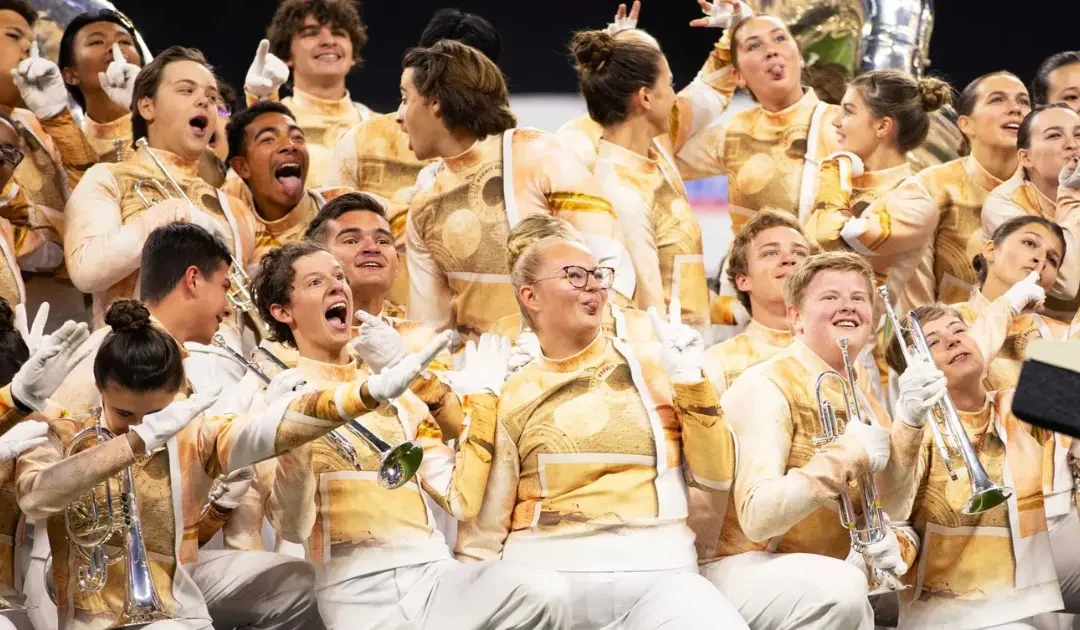
If you’ve ever wondered whether marching band shows are worth your child’s time, the answer is simple: absolutely. Marching band isn’t just about halftime performances or contests — it’s about growth, belonging, and confidence.
From building discipline to boosting academics, the lessons learned on the field last long after the season ends. Here are ten powerful reasons why joining marching band might be one of the best decisions your child ever makes.
1. It Builds Strong Character and Discipline
Marching band teaches responsibility in a way few activities can. Students show up early, stay late, and learn that excellence comes through consistency and effort.
Daily rehearsals, precision drill, and musical challenges require persistence — and that discipline naturally extends to school, relationships, and work later in life.
The habits your child develops in band — punctuality, reliability, and focus — become life skills that last forever.
2. It Strengthens Physical and Mental Well-Being
Marching band is both an art and an athletic pursuit. Long rehearsals, field movement, and breath control improve endurance and coordination.
At the same time, performing music boosts emotional health, offering stress relief and a sense of purpose. Students experience the best of both worlds — physical fitness and creative expression — all in one activity.
3. It Boosts Academic Performance
Numerous studies show that students in marching band tend to earn higher GPAs and graduate at higher rates than their peers. Why?
Because music strengthens the brain. Learning complex rhythms and formations develops focus, memory, and problem-solving skills — all vital for academic success.
In short, marching band shows don’t take away from learning; they make it stronger.
4. It Cultivates Leadership and Accountability
From section leaders to drum majors, students take ownership of real responsibilities. They learn to motivate others, communicate clearly, and model excellence.
Even those not in leadership roles practice accountability every day — by showing up, learning their parts, and supporting their peers.
Marching band is a leadership lab disguised as a musical ensemble.
5. It Encourages Teamwork and Collaboration
Every successful performance depends on every member doing their part. No one can march or play alone.
Students quickly learn the importance of teamwork, trust, and communication. They celebrate collective success and learn to lift one another through setbacks — lessons that carry through college, careers, and life.
6. It Fosters Creativity and Expression
Marching band combines music, movement, and storytelling. Students aren’t just performing; they’re expressing emotion, creating art, and engaging audiences.
Through show design, musical phrasing, and performance energy, they learn to channel creativity into something that connects with others — a skill that fuels both confidence and innovation.
7. It Builds Confidence and Belonging
Band students don’t just find a place to play — they find a place to belong.
The shared effort of perfecting a marching band show creates lifelong friendships and a deep sense of pride. Performing in front of crowds helps students overcome fear, believe in themselves, and thrive under pressure.
8. It Teaches Resilience and Adaptability
Things go wrong. It rains on contest day. Drill sets change. Equipment breaks.
Through it all, students learn to adapt with grace. Marching band instills resilience — the ability to stay calm, think fast, and push forward when plans fall apart.
That mindset serves them everywhere: in academics, relationships, and future careers.
9. It Models Work Ethic and Commitment
Being part of a band means committing to something bigger than yourself. Every member contributes to the success of the whole.
Students learn that practice matters, attendance matters, and their effort impacts everyone around them. This shared accountability creates strong character and lifelong values.
10. It Brings Families Together
Parents play a huge role in the success of every program. Whether volunteering at competitions, attending performances, or simply cheering from the stands, family involvement strengthens the experience for everyone.
When parents take part, they see firsthand the dedication, teamwork, and artistry that make marching band so special — and students feel that pride and support tenfold.
Want to get involved? Most programs welcome booster volunteers, chaperones, and parent helpers throughout the season.
Conclusion
Joining a marching band does more than teach music — it shapes confident, capable young adults ready for life beyond high school.
Through teamwork, creativity, and perseverance, students gain the tools to thrive in every area of their lives. Encourage your child to take that first step — because the lessons they’ll learn on the field will last far longer than the applause.
FAQ: Why Marching Band Matters
1. What makes marching band different from other extracurriculars?
It combines art, athletics, academics, and teamwork — challenging both body and mind in a way few activities can.
2. Does marching band really help with school performance?
Yes. Studies show music participation improves focus, time management, and academic outcomes.
3. Is marching band inclusive for beginners?
Absolutely. Bands welcome students at all skill levels, offering mentorship and support along the way.
4. How much time does marching band require?
It varies by school, but most rehearse several times a week during the season. The commitment teaches time management and responsibility.
5. What’s the biggest benefit for students long-term?
Confidence. Students learn to perform under pressure, lead with empathy, and believe in themselves.
Author Bio:
Evan VanDoren is a composer, arranger, and former band director dedicated to helping music educators and students experience growth through creativity, discipline, and teamwork. Explore more at evanvandoren.com.
Recent Comments