
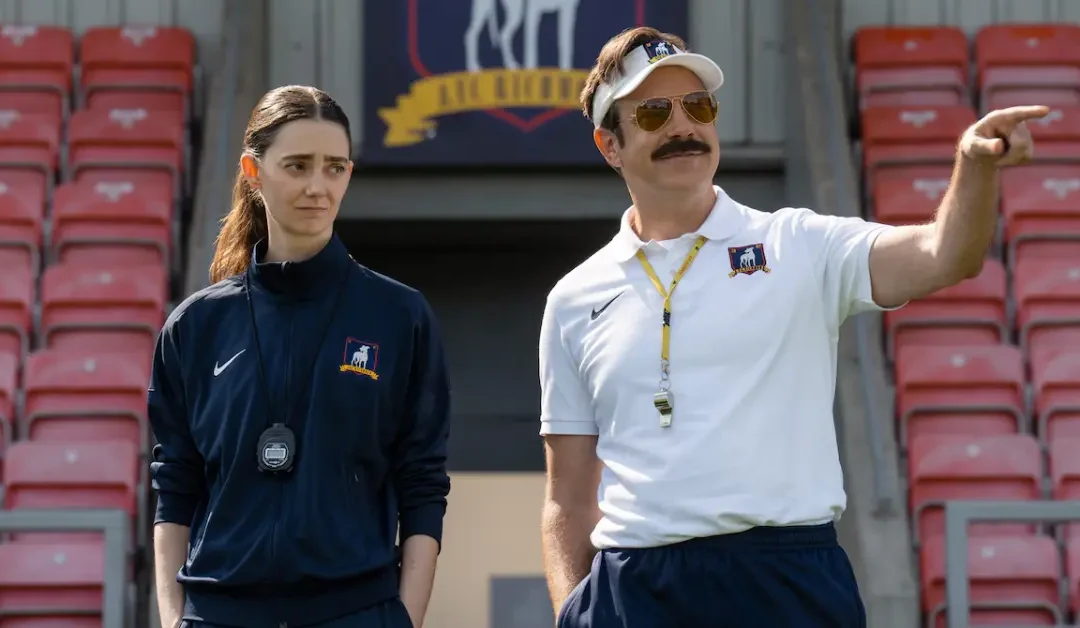
Every band director has a “Believe” sign.
It may not hang above your office door like it did at AFC Richmond, but it’s there.
It’s what you choose to believe about your students after a disastrous rehearsal. It’s what you choose to believe about your staff when communication breaks down. It’s what you choose to believe about yourself after a disappointing contest result.
That’s why Ted Lasso resonated with so many educators.
It isn’t really a show about soccer.
It’s a show about leadership.
And if you watch it through the eyes of a band director, you’ll realize almost every lesson Ted teaches his players is something we’ve wrestled with on the practice field for years.
During my years at Cedar Park High School, I had the privilege of helping build a program that won three UIL State Championships. Looking back, those championships weren’t won because we found a magical rehearsal technique or wrote better drill than everyone else.
They were built on culture.
Culture determined how we handled failure. Culture determined how students treated each other. Culture determined whether people wanted to come back tomorrow after today went badly.
The music mattered.
The drill mattered.
But leadership determined whether those things reached their potential.
Here are fourteen leadership lessons every band director can borrow from Ted Lasso.
1. Believe
Trust your people even when things go wrong.
Nothing tests your leadership like failure.
A section falls apart during a run. Your drum major freezes at the biggest contest of the season. The brass has the worst rehearsal they’ve had in weeks.
Your instinct is to tighten control.
Sometimes the better answer is trust.
Students often perform at the level you believe they’re capable of reaching. When they know you still believe in them after a bad day, they stop trying to avoid mistakes and start trying to solve them.
Confidence borrowed from a trusted leader often becomes confidence they eventually own themselves.
2. Do the Inner Work
The stuff you avoid is usually the work you need most.
Every director has conversations they don’t want to have.
The parent who’s upset.
The staff member who isn’t pulling their weight.
The student leader who has talent but is hurting the culture.
Ignoring difficult conversations never makes them easier.
The best directors I’ve known spend as much time working on themselves as they do working on the show. They examine their own ego. They admit when they’re defensive. They ask for feedback instead of assuming they already know the answer.
Leadership starts long before rehearsal begins.
3. Coach to Their Best, Not Their Worst
Treat people as who they can become.
September students are not November students.
Freshmen who can’t stay in step today might become section leaders two years from now.
One of the easiest mistakes directors make is assuming today’s performance predicts tomorrow’s potential.
It doesn’t.
The greatest teachers I’ve worked with constantly coached toward possibility rather than current ability.
Students usually rise, or fall, to the expectations placed upon them.
4. One Leader Can Change an Entire Culture
Your leadership style changes how the whole team behaves.
Culture isn’t what you write in your handbook.
Culture is what students copy.
If your instructional staff panics, students panic.
If your staff gossips, students gossip.
If instructors blame judges, students blame judges.
If leaders stay calm under pressure, students learn resilience.
The emotional ceiling of your program is often set by the adults in the room.
Before students ever become performers, they become imitators.
5. Listen to Every Voice
Great ideas can come from anyone.
Some of the best rehearsal adjustments I ever made didn’t come from staff meetings.
They came from students.
A sophomore mellophone player notices a traffic jam in drill.
A freshman percussionist finds a cleaner sticking.
A quiet clarinet player asks a question nobody else was willing to ask.
Leadership isn’t having all the answers.
It’s creating an environment where good ideas can surface from anywhere.
6. Keep Mentoring After the Promotion
Leadership development doesn’t stop with the title.
A section leader becomes drum major.
A drum major graduates and becomes an assistant.
A former student starts teaching.
Your role changes.
Your investment shouldn’t.
Some of the most meaningful conversations you’ll ever have happen after students leave your classroom.
Great directors don’t just develop performers.
They develop people.
7. Own Your Mistakes
Apologize. Learn. Change.
Students know when you’ve made a bad decision.
Pretending otherwise damages credibility far more than simply admitting it.
Maybe you changed drill too late.
Maybe you pushed rehearsal longer than you should have.
Maybe you misunderstood a situation involving a student.
Own it.
Leadership isn’t about never making mistakes.
It’s about showing students what accountability looks like.
Ironically, admitting you’re wrong often increases respect instead of reducing it.
8. Fight for What’s Right
Choose the hard right over the easy wrong.
Every director eventually faces decisions that cost something.
Removing a talented marcher because they repeatedly violate expectations.
Cutting an exciting visual because it isn’t safe.
Standing up for your students when it’s unpopular.
Character is easy when nothing is at stake.
Leadership is revealed when doing the right thing has consequences.
Your students are always watching which version of “right” you choose.
9. Be a Goldfish
Learn from mistakes, then let them go.
Every director has a rehearsal they’d rather erase.
Maybe it happened your first year.
Maybe it happened yesterday.
The healthiest programs don’t ignore mistakes.
They simply refuse to let yesterday’s rehearsal steal today’s.
Evaluate.
Adjust.
Move on.
Students need leaders who remember lessons but forget shame.
10. Help People Grow Beyond Their Job
Your greatest product isn’t a performance.
Band teaches leadership.
Band teaches resilience.
Band teaches responsibility.
Band teaches collaboration.
Those lessons last far longer than any trophy.
The freshman learning how to lead a sectional today might someday lead a company, coach a team, teach a classroom, or raise a family.
That’s the real return on investment.
The marching band show is simply the vehicle.
11. Lead with Curiosity
Ask before you assume.
The student who starts missing rehearsal isn’t automatically lazy.
The staff member who’s unusually quiet isn’t necessarily disengaged.
The section leader who seems frustrated may be carrying something you can’t see.
Good leaders investigate before they evaluate.
Questions almost always build more trust than assumptions.
12. Listen for What’s Not Being Said
Silence tells a story too.
Sometimes the loudest warning signs aren’t loud at all.
The section leader who suddenly stops giving feedback.
The staff member who quits offering ideas.
The senior who simply says, “It’s fine.”
Sometimes silence means peace.
Sometimes it means people have stopped believing they’ll be heard.
Pay attention to both.
13. Be Vulnerable to Build Trust
People trust honest leaders.
Students don’t need perfect directors.
They need authentic ones.
Tell them about the competition where your band didn’t make finals.
Talk about the arrangement you rewrote because the first version wasn’t good enough.
Share what you’ve learned from failure.
Vulnerability doesn’t weaken leadership.
It reminds students that growth is supposed to include setbacks.
When leaders model honesty, students become far more willing to be honest themselves.
14. Don’t Be the Smartest Person in the Room
Surround yourself with experts.
One thing I’ve noticed after working with hundreds of marching band programs is this:
The strongest programs rarely have directors trying to do everything themselves.
They hire great visual designers.
They trust talented choreographers.
They ask judges for honest feedback.
They invite clinicians to challenge their thinking.
They remain coachable long after they’ve become successful.
Confidence isn’t pretending you know everything.
Confidence is being secure enough to learn from people who know something you don’t.
The Best Programs Aren’t Built on Leadership Speeches
None of these lessons are revolutionary.
They’re also incredibly difficult.
Trusting students after they fail costs patience.
Admitting you’re wrong costs pride.
Listening before speaking costs humility.
Hiring people who know more than you costs ego.
But those decisions shape the culture students experience every single day.
Years from now, very few graduates will remember their prelim score.
Many won’t remember exactly where they placed at state.
Most won’t remember every set in the closer.
They will remember how it felt to walk into your rehearsal.
They’ll remember whether they felt safe enough to fail.
Whether they felt challenged enough to grow.
Whether they felt believed in.
Maybe that’s why the “Believe” sign mattered so much in Ted Lasso.
It didn’t win matches.
It reminded everyone what kind of people they wanted to become.
The best marching band programs work exactly the same way.
Great shows entertain audiences.
Great leadership changes lives.
Frequently Asked Questions
What leadership skills are most important for band directors?
The most important leadership skills for band directors include communication, consistency, empathy, accountability, emotional intelligence, and the ability to build a positive program culture. While musical expertise matters, leadership often determines whether students reach their full potential.
How can a first-year band director build trust with students?
Start by listening more than you speak. Learn the program’s traditions before making major changes. Be consistent with expectations, admit mistakes when they happen, and follow through on your promises. Trust is earned through hundreds of small interactions over an entire season.
How do you build a strong marching band culture?
Strong marching band culture is built through shared expectations, consistent leadership, meaningful relationships, and clear communication. Directors who model humility, resilience, and accountability create environments where students are more likely to do the same.
Does leadership matter more than musical ability?
Neither exists in isolation. Strong musical instruction is essential, but leadership determines whether students consistently buy into the process, respond well to adversity, and continue growing over multiple seasons. The best programs combine excellent teaching with exceptional leadership.
Evan VanDoren is a composer, arranger, and former Texas band director. After helping build one of the state’s most successful marching band programs, he now works with band directors across the country, designing custom and pre-built marching band shows through VanDoren Music. His mission is simple: help directors create programs where students thrive both on and off the field.
Recent Comments